


Learn what water damage restoration is, why it matters for cost and health, and the IICRC-informed steps from extraction to drying.
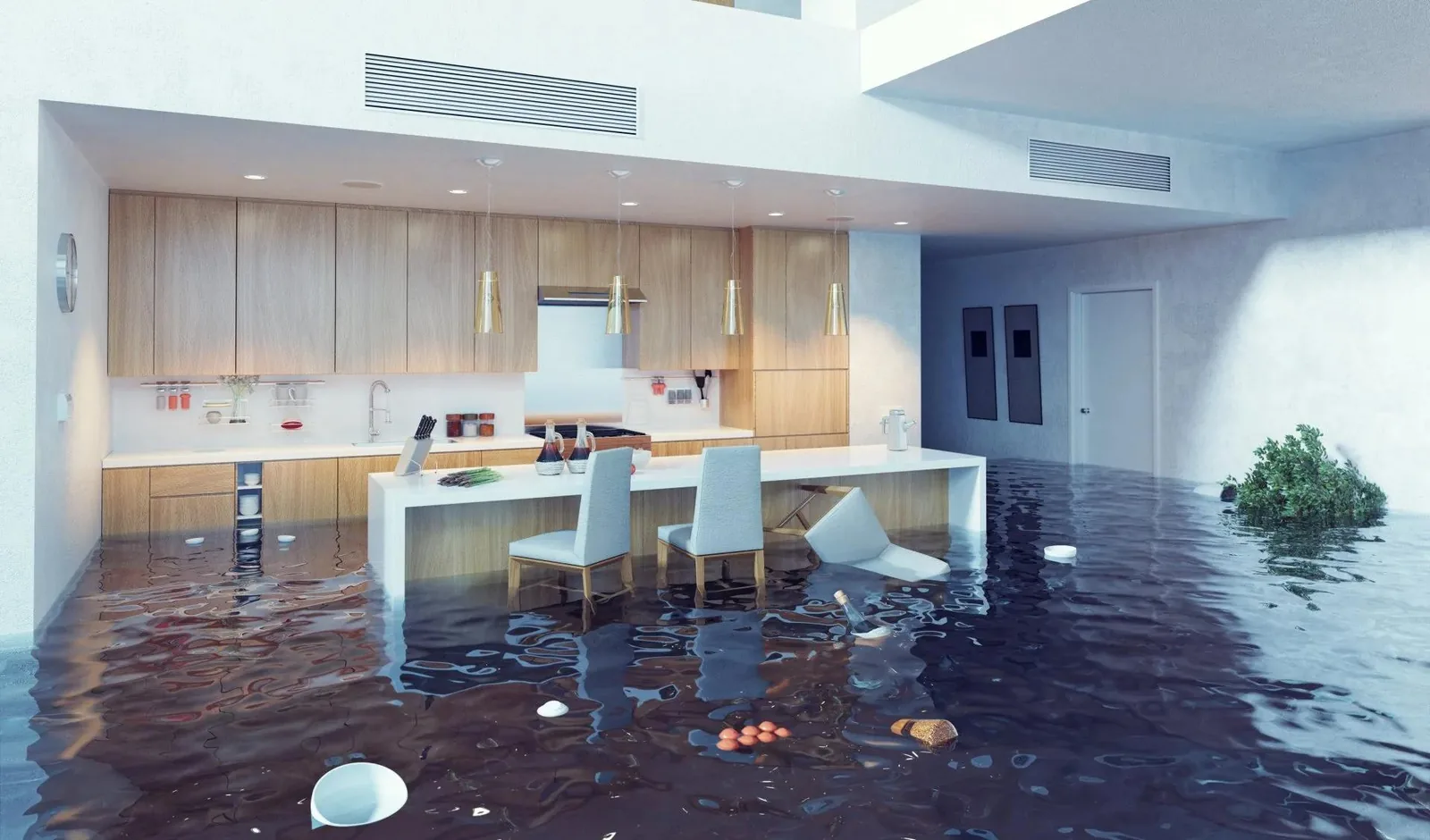
If your home has been affected by water damage, restoration is likely needed. This may have resulted from a pipe leak, AC overflow, or a roof leak. There are many ways that a home can be impacted by water. It is important to investigate and correct the source of the water. To prevent the spread of and/or further damage, the affected areas also need to be addressed. This guide outlines what restoration is, why it is important, and the basic process of restoration.
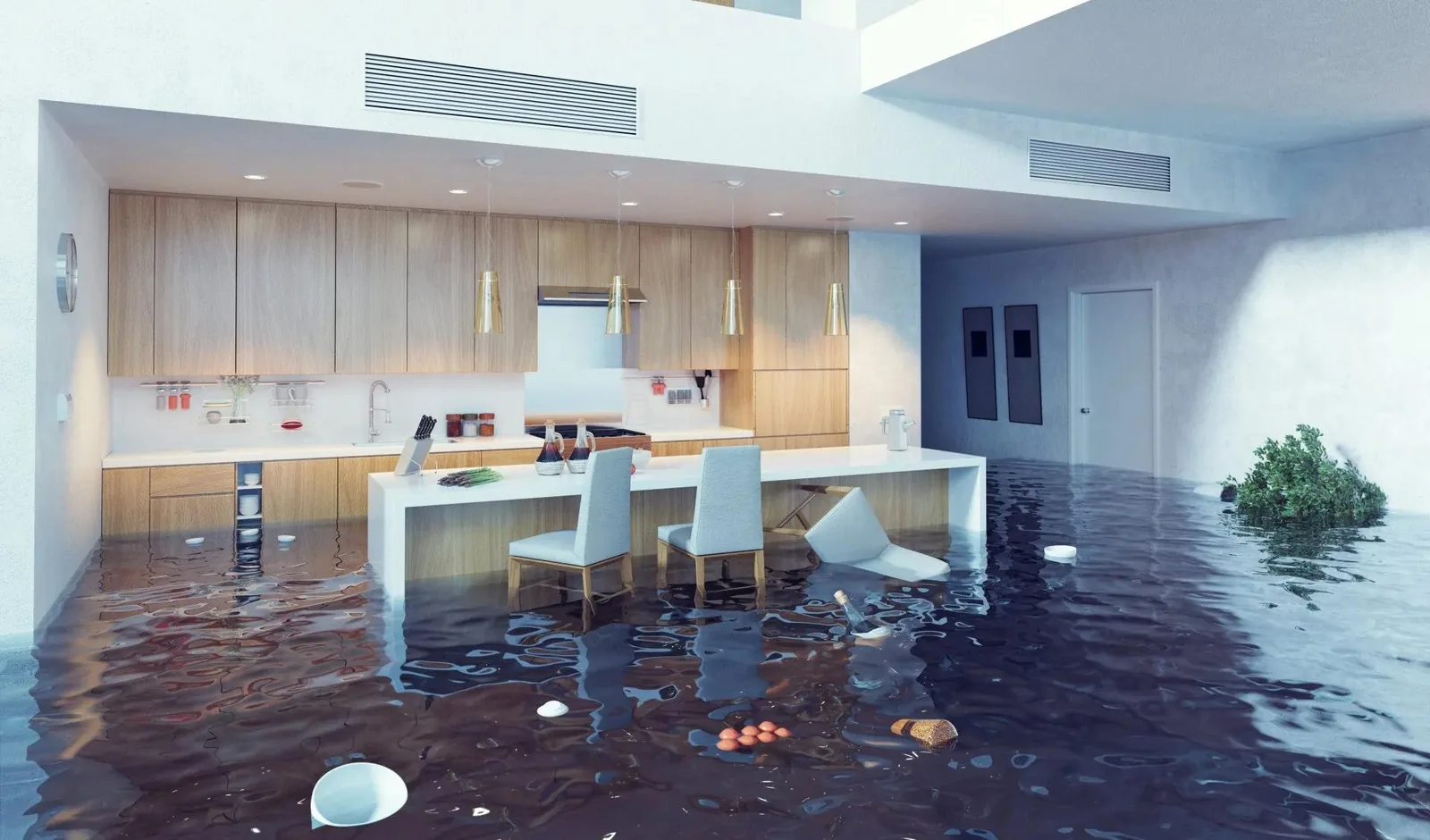
Water damage restoration refers to returning something to the previous good condition. The goal of home restoration is to return the area affected by water to healthy conditions. Restoration involves drying wet materials and removing materials that have been permanently damaged. This reduces the spread of damage and lowers the risk of secondary damage such as mold growth.
Restoration has many benefits for the homeowner and all those who occupy the space.
Restoration of water-damaged property can vary based on the contamination level of the water and the areas it has affected. The standard process of restoration is set by the IICRC and provides the safest and most efficient process of restoration. IICRC-certified providers have the knowledge, experience, and insurance required to complete restoration effectively. The basic steps below are essential to every restoration project:
When the area is dry, the equipment will be removed and the reconstruction of any removed materials can begin.
It is important to address water damage when it happens to prevent the spread of damage and reduce the risks of microbial growth. Professional restoration will return the affected areas to pre-existing healthy conditions. If you need restoration, search for local certified restoration providers through the IICRC.
For flood and water damage help in Jacksonville, contact All Things Restored at (904) 423-5663.